
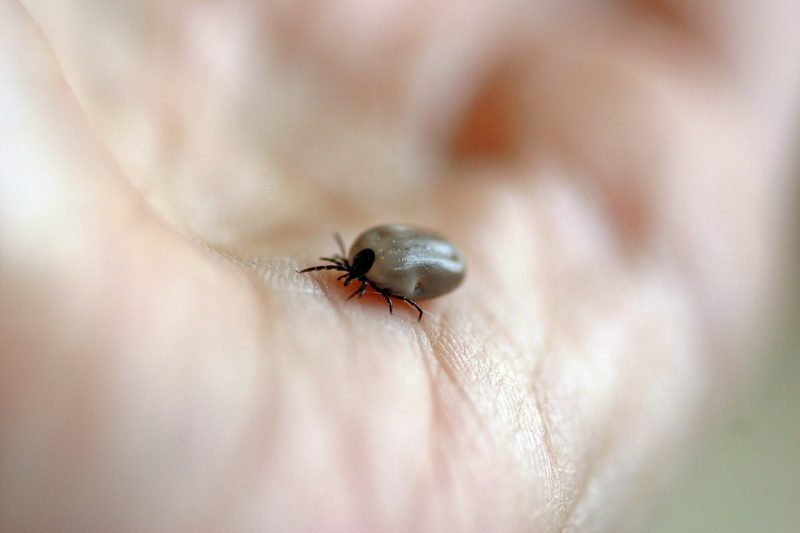
Dogs and Ticks: What You Need to Know
Ticks are tiny parasites that burrow into your dog’s skin to consume their blood, making your pet very unwell. The toxin from the paralysis tick can even be fatal for your dog. Therefore, it’s essential you know how to protect your dog from ticks, how to remove one, and what to look out for to keep your dog well.
There are three main types of tick that affect dogs. The brown dog tick, the bush tick, and the paralysis tick.
The Paralysis Tick
Paralysis ticks are the most dangerous for your dog. They secrete a toxin which affects the animal’s nervous system, and this toxin can be fatal within 24 hours. The toxic female paralysis tick is yellowish in colour, has eight legs, and looks a bit like a spider. As they gorge on blood, they become a blueish grey colour with a brown line around their body, and then an almost black colour.
Paralysis ticks occur mainly along the east coast of Australia. Higher than average rainfall, and increases in temperature or humidity can spark an infestation and the worst months are generally from September to December.
Protecting your Dog From Ticks
Here’s what you can do:
- Avoid areas where ticks are rife.
- Make your yard uninviting to ticks with a well-mown lawn, and remove compost material.
- Control vermin and wild animals as they carry ticks.
- If your dog has a long coat, clip it and keep it short.
- You can buy tick collars, sprays, topical solutions and pills to repel bush ticks. Follow the instructions closely as they can be toxic to your dog.
- Keep a tick scoop or tick remover handy.
- Check your dog every single day.
Checking Your Dog For Ticks
The best thing you can do is to check your dog for ticks regularly, especially after a walk. Ticks are easiest to get rid of before they attach themselves to your dog, so the sooner you find them the better.
Groom your dog and search through their coat with your fingers. Ticks feel like lumps or craters on the surface of the skin. Pay particular attention to the face, neck, and ears, but search all over your dog. You should wear latex gloves when possible, but if they inhibit you from checking your dog effectively, go without the gloves and wash your hands extremely thoroughly afterwards. Check between your dog’s toes, under the ‘armpit’ folds around their hip joints, and in the skin folds around the lips and ears.
What to Do if Your Dog has a Tick
If you find a tick, remove it immediately, or kill it with pyrethrin or fipronil-based insecticide. This works by paralysing the tick which is much better than antagonising it during the removal process.
To remove a tick, wear disposable gloves if possible, and either use a tick remover tool or just your fingers. To use your fingers, grasp the tick firmly between your first finger and thumb as close to the dog’s skin as possible. Pull the tick gently but firmly. You want to get it out in one piece and not leave any bits behind, so be careful not to crush, twist, or jerk the tick. Dispose of the tick by dropping it in alcohol or insecticide and keep it. This is in case your dog becomes unwell and you need to identify the tick. Dab the area with a mild antiseptic. Continue to search for ticks in case your dog has suffered more than one attack.
Contact your vet as soon as possible and keep a close eye on your dog. Your pet can still get sick for up to 48 hours after removing a tick, so contact your vet straight away.
The Symptoms of Tick Paralysis
- Fever and vomiting.
- Gagging or a choking cough which is caused by paralysis at the back of the throat.
- Loss of appetite.
- Difficulty breathing or rapid breathing.
- Unsteady legs.
- Unusually quiet or lethargic.
Stress makes the tick’s toxin work faster, so keep your dog as calm as possible and give them lots of reassurance to make them feel safe. If you are in any doubt about a tick or your dog’s health, get in touch with your vet.
If you can’t get to your local vet, try Vets on Call. Vets on Call is a mobile app that brings the veterinarian to you. They deliver high quality veterinary services in the comfort of your own home. Get 20% off of your first Vets on Call Pet Visit here.
Sources:
https://www.dogslife.com.au/dog-news/dog-health/fighting-bush-ticks-on-dogs
https://www.australiandoglover.com/2016/08/tick-flea-prevention-for-australian-dogs.html